11 November 2026
Toby Chan: The designer behind the perching stool
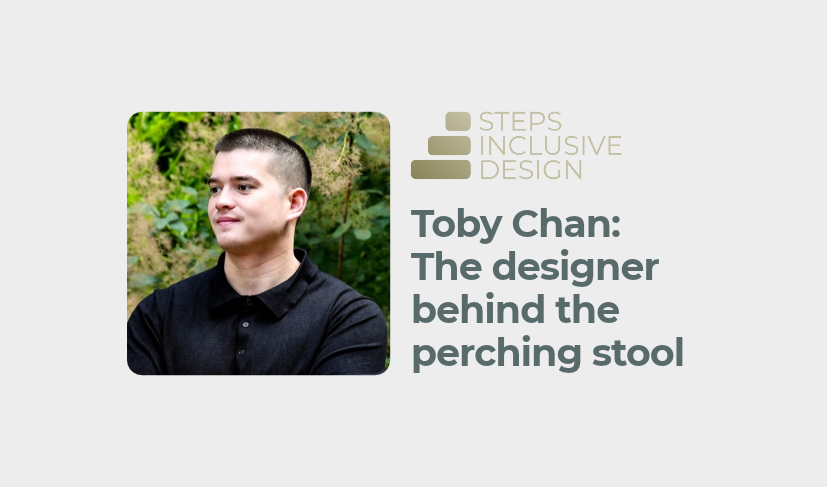
Toby Chan is Head of Design at STEPS Inclusive Design. In this interview, he talks about growing up around STEPS Rehabilitation, designing the Lana Perching Stool, a Class I medical device shaped by feedback from more than 20 clinicians, and why accessible products should never have to look clinical.
When do you first remember becoming interested in design?
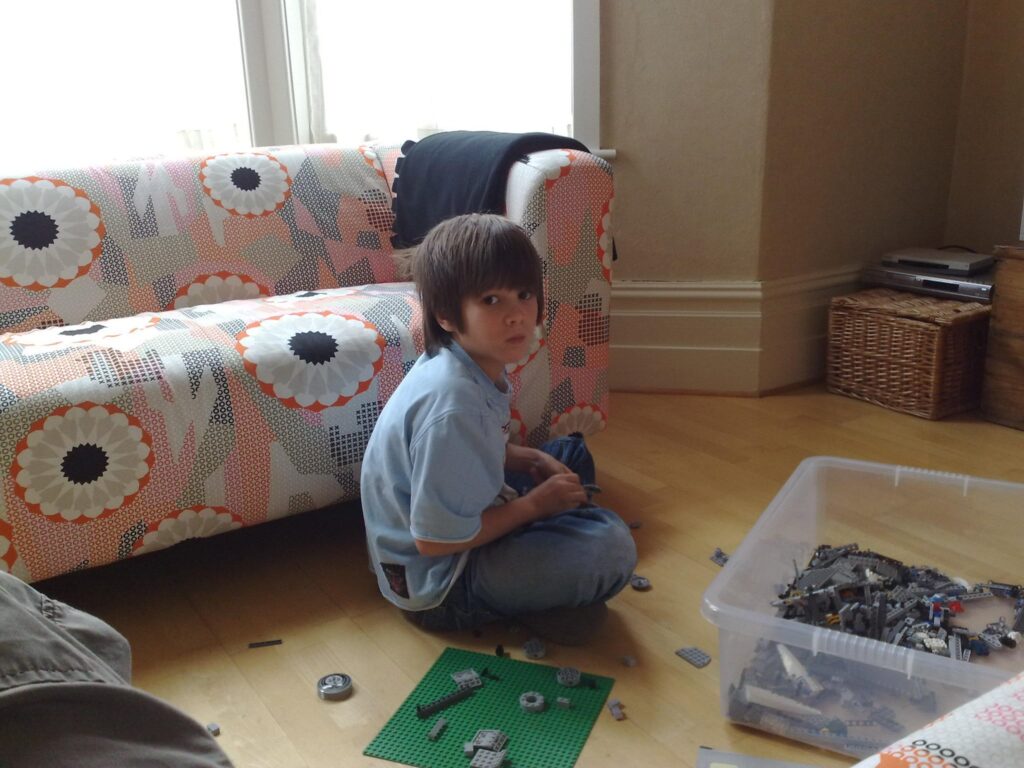
I’ve been interested in design for as long as I can remember. When I was younger, I was always building things, making models and playing with LEGO.
One of my earliest memories is from primary school, when I won an award for making a model of my bedroom. It had working lights and a little moon-shaped fan, so I think that probably showed where my interests were heading quite early on.
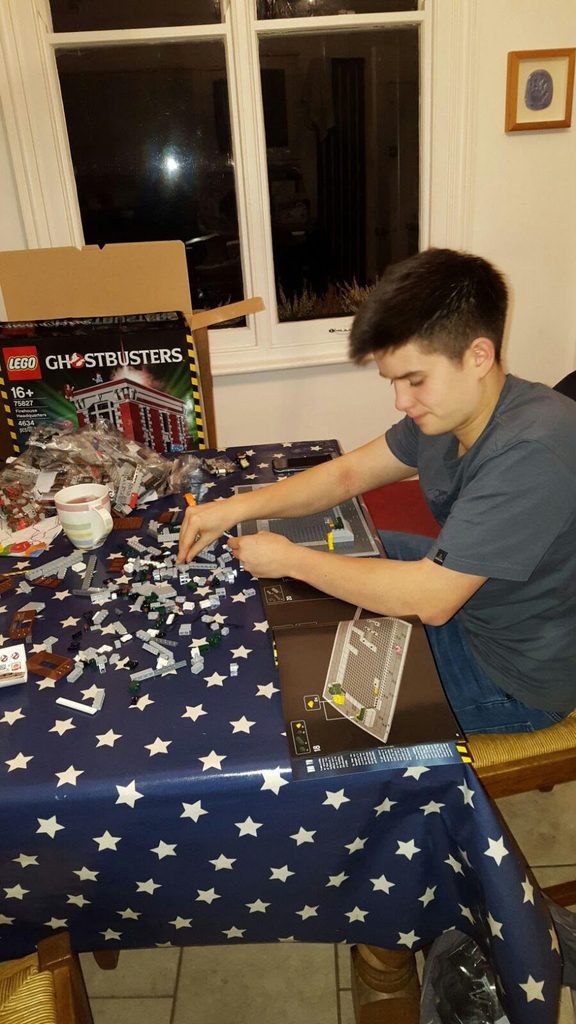
Design then became an important part of my education through GCSE, A level and university. LEGO has always been a big inspiration for me, and being a designer for them was actually my dream job growing up. I still joke that if the LEGO company ever came knocking, I might have to consider leaving STEPS Inclusive Design!
What sort of things did you design while studying?
Many of my university projects focused on designing things that could improve people’s lives.
In my first year, I worked on a smart fall monitor that connected to a central hub, designed to detect a fall and alert a carer or relative. The idea was that it could help support older people or those living independently.
I also designed a more modern-looking rollator, a wheeled walking aid that supports people with reduced mobility, for an enterprise project. It was CNC-machined from aluminium, so it probably wasn’t the most production-friendly idea, but it was really about exploring how mobility equipment could look better and feel less clinical.
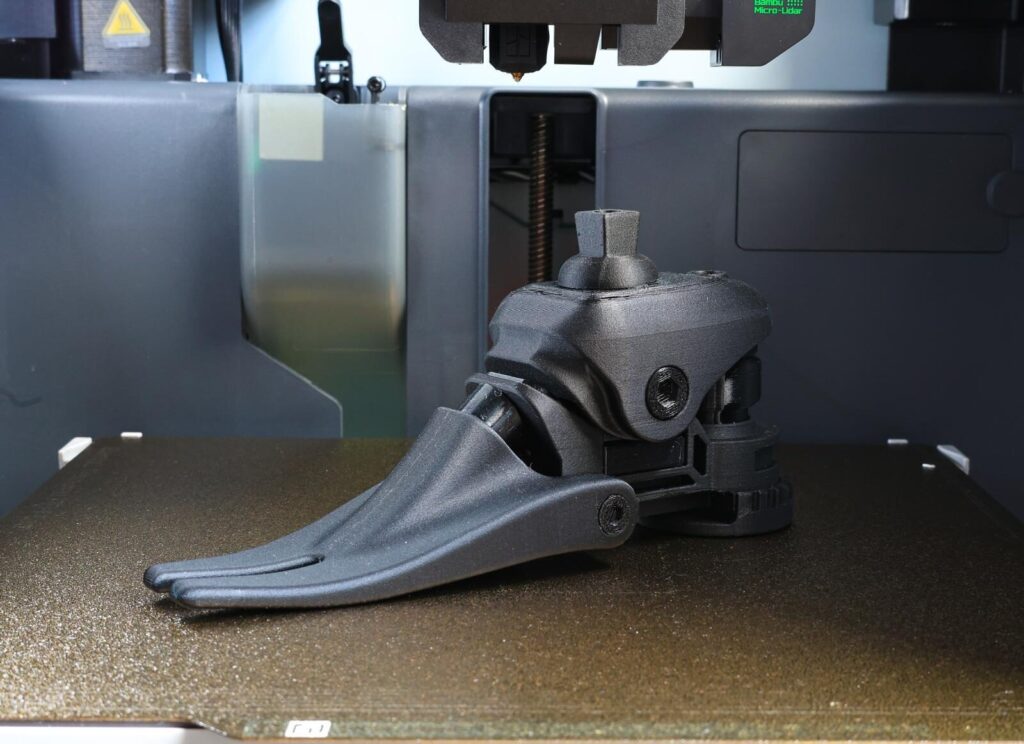
My final major project focused on children’s prosthetics. I looked at how 3D printing could create prosthetic limbs that adapt as a child grows, rather than needing a completely new and expensive prosthetic every time.
What area of design did you think you would go into?
I originally studied civil and structural engineering with architecture for a year, but I realised quite quickly that it wasn’t right for me. It was very academic and heavily focused on maths and science, whereas I wanted to be more creative and hands-on.
In 2019, I transferred to Product Design at Sheffield Hallam University. I deliberately chose the BSc route because I liked the engineering side of design and wanted to become a product design engineer, which is essentially where I’ve ended up.
I’ve always been more interested in human-centred design than designing something purely for how it looks. I liked the idea that I could use my skills to create products that genuinely improved somebody’s life.
How did you begin designing for STEPS Rehabilitation?
STEPS has been part of my life for a long time because my family built and opened the business when I was younger. I was always around it, and I even used to sit in the café at STEPS to revise for my A-levels and university work.
I also experienced rehabilitation from the other side after I was involved in a road traffic accident when I was 17. I then went through a lengthy legal case, so I understood firsthand the physical, mental and emotional impact that a serious accident can have on somebody.
In 2022, I had just left another job and wasn’t completely sure what I wanted to do next. At the time, I was considering doing a master’s in design engineering at Loughborough University. I started working at STEPS part-time as a kitchen porter and commis chef while also working in manufacturing in Chesterfield.
The occupational therapists at STEPS knew I had design skills and owned a 3D printer, so they began asking whether I could make small aids for clients. That was really the starting point for what would eventually become STEPS Inclusive Design.
What sort of items were you designing intially?
They were mainly small, often handheld aids designed around the needs of individual clients. For example, I developed a bowel care relief aid for people with spinal cord injuries and poor dexterity. They were relatively straightforward designs, but could make a particular activity easier or help someone maintain more independence.
Those early projects showed us what was possible when you brought designers, clinicians and clients together. From there, we started thinking about larger products that could solve more common problems across rehabilitation and assisted living.
My mum had also been saying to me for years, “Why does medical equipment have to look so ugly, and what can we do to change it?” When I was younger, I didn’t have the knowledge or experience to answer that properly, but now I do.
Did you receive any external support or mentoring when starting the business?
Although I’d worked on smaller products before, I’d never taken a Class I medical device through a full commercial production process. I knew I’d need guidance from people with more experience as we moved towards manufacturing our first product.
Innovate UK has supported STEPS Inclusive Design from the start, and Chantelle Brandon Reeves from Innovate UK Business Growth has been instrumental in helping us access support and opportunities.
One of those opportunities was Design for Growth, a 12-week programme where I was paired with designer Tom Innes, whose expertise complemented my own. Tom mentored me through the design and business development processes, helping me work through decisions and build confidence. We still have monthly coaching sessions, and he brings an outside perspective while understanding how the business has developed.
We already had links with NorthSky through STEPS Rehabilitation. Its owner, Tom Harrison, had previously run Kingkraft, which supplied specialist bathroom equipment to STEPS. Given his industry experience, I contacted him on LinkedIn and we arranged to meet. NorthSky immediately understood what we were trying to achieve with the Lana Collection, and they have been crucial in bringing our first product to market.
When did you first start working on the stool designs?
The idea had been around for quite a long time. My mum and Jules would often talk about how much they disliked traditional medical furniture. They needed products like shower stools and perching stools in the rehabilitation centre; however, they felt that the clinical appearance detracted from the comfortable, homely environment they had worked hard to create at STEPS Rehabilitation.
I started developing the initial concepts in early 2025. We had a few different product ideas at the time, but the perching stool and shower stool were the strongest. From then through its launch in 2026, we focused almost entirely on developing this product range and getting it ready for market.
What was the vision for the stools, and how did clinicians help shape it?
The vision was to create assistive products that people would actually feel happy to have in their homes. It still needed to be safe, functional and clinically appropriate, but we also wanted it to feel stylish, modern and desirable.
Working within a rehabilitation centre means we meet clients of different ages, with a range of needs and preferences.
We knew that some clients are reluctant to use equipment that could benefit them because they dislike how it looks. If you need to use assistive products every day, you want it to look good in your home. You shouldn’t have to accept something that looks clinical just because you need additional support.
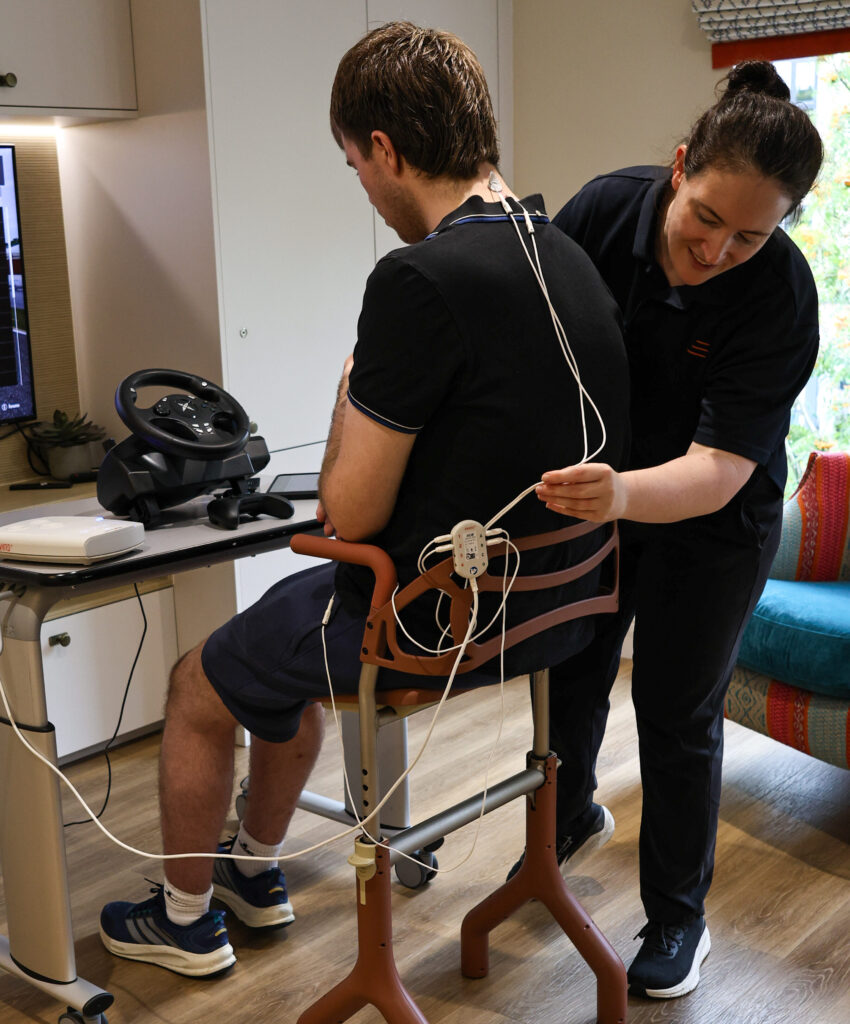
We gathered feedback from more than 20 clinicians, including occupational therapists and physiotherapists. They helped shape features of the Lana Perching Stool and Lana Shower Stool, including the handles and our patent-pending height-adjustment mechanism.
Their input came in throughout the development process, rather than waiting until the products were finished. This meant we could keep improving them as the designs developed. We’ve already started using the same approach with our next product by involving clinicians from the earliest stages.
What are your thoughts on the accessible-design market?
I think the accessible-design market has been overlooked aesthetically for a long time. A lot of products do their basic job, but look very clinical or institutional. People are often expected to accept this just because they need some additional support.
I don’t think good accessible design should force people to choose between function and appearance. A product can be safe, practical and compliant while still looking good.
There’s a real opportunity to bring more premium and thoughtfully designed products into this market. For me, accessible design is ultimately about dignity, independence and giving people more choice.
What has been the most challenging part of bringing the products to market?
The biggest challenge has probably been the sheer amount of work involved in bringing a product of this kind to market.
Because the Lana Perching Stool is a Class I medical device, there’s a huge amount of regulation and documentation involved. We had to introduce a complete quality-management system and achieve ISO 9001 certification.
We needed to create a detailed technical file, complete all the required product testing and meet the regulatory requirements for the UK and European markets. At the same time, we’ve begun preparing for other international markets, including Australia.
That side of the project took about a year of intensive work. At the beginning, I don’t think I fully understood the extent of what would be involved, but I’ve gained an enormous amount of experience from going through the process.
What has been your proudest moment so far?
Bringing a Class I medical device to market at 26 is something I’m incredibly proud of. Comparing my experience at the beginning with what I’ve learned over the past two years, it feels like a massive achievement.
Getting the Lana Perching Stool officially CE marked was another huge milestone because it represented everything we had worked towards.
On a personal level, though, the product’s name probably means the most to me and the rest of the family. The STEPS Rehabilitation building was named in memory of my late uncle, Alexander, and we wanted the product collection to have that same personal significance.
My granny, Lana, has dementia, and her health has declined significantly over the last few years, so we decided to name the collection after her. The colours were inspired by her love of flowers and gardening. Some of my happiest childhood memories are of spending time with her in the garden, so being able to honour her through the Lana Collection is incredibly special to all of us.
What are your hopes for the future of STEPS Inclusive Design?
My goal is to establish STEPS Inclusive Design as a serious competitor in the product-design market. I want to show that medical products can be premium, beautifully designed, world-class products that people genuinely want to use.
Alongside the design work, I also run Foxy Climbing, where we manufacture metal climbing holds and specialist products. The knowledge I’ve gained through developing the Lana Collection – particularly around product development, testing and certification – has helped that business as well, so the two often support each other.
I’d also like to win a few design awards along the way, because “award-winning designer” has quite a nice ring to it!
What advice would you give your younger self?
I’d tell myself to work to deadlines and understand that, even when you think the work is finished, there’s nearly always something else that needs doing.
More importantly, I’d tell myself to stay optimistic and believe that you can work things out. It sounds a bit clichéd, but when I was first told we needed a complete quality-management system and all the documentation required for a Class I medical device, I had no idea how I was going to do it.
I just believed that I could learn and find a way through it. Ten months later, we’d done it.
That experience taught me that you don’t need to know every answer at the beginning. You need to be willing to learn, keep working and believe that you’ll get there.